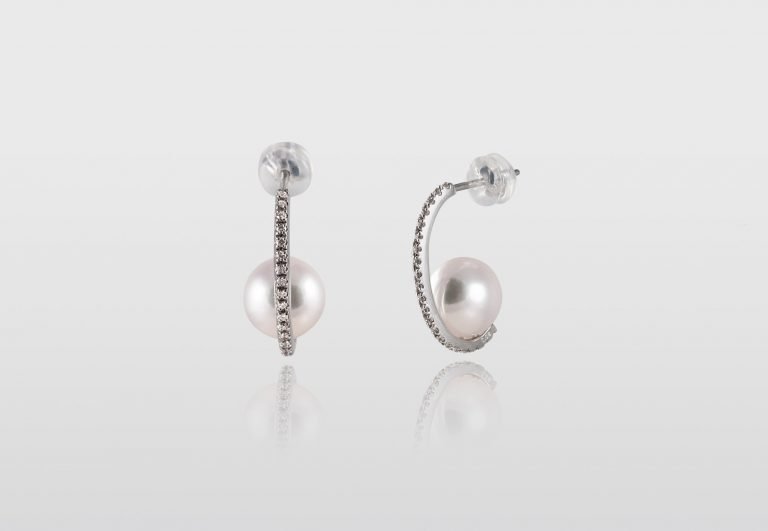
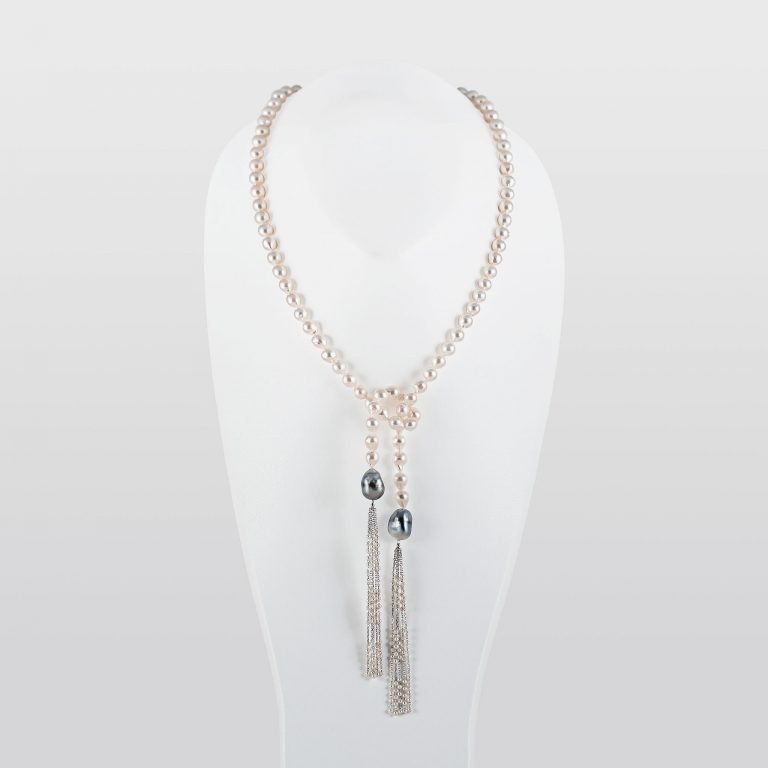
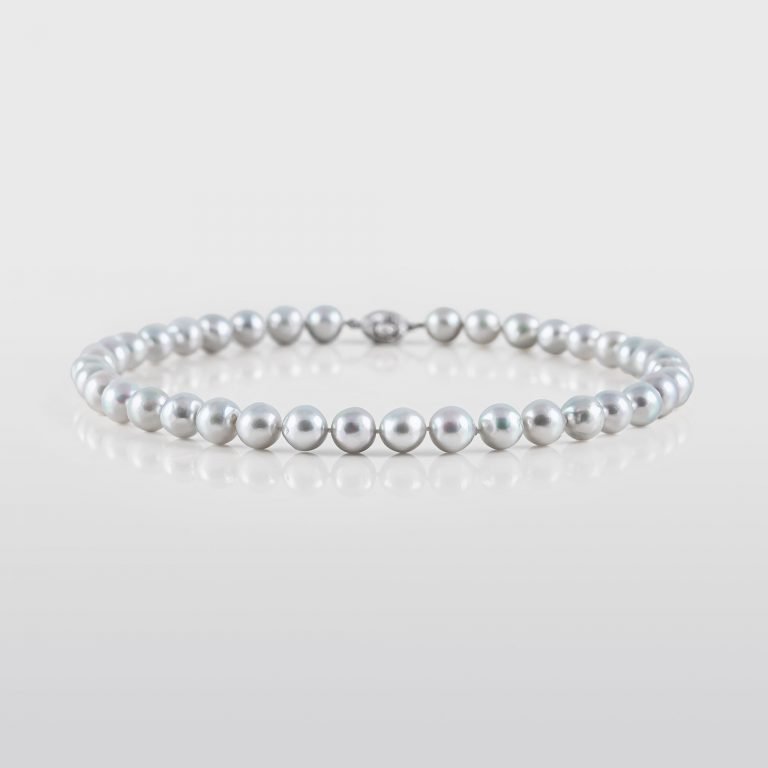
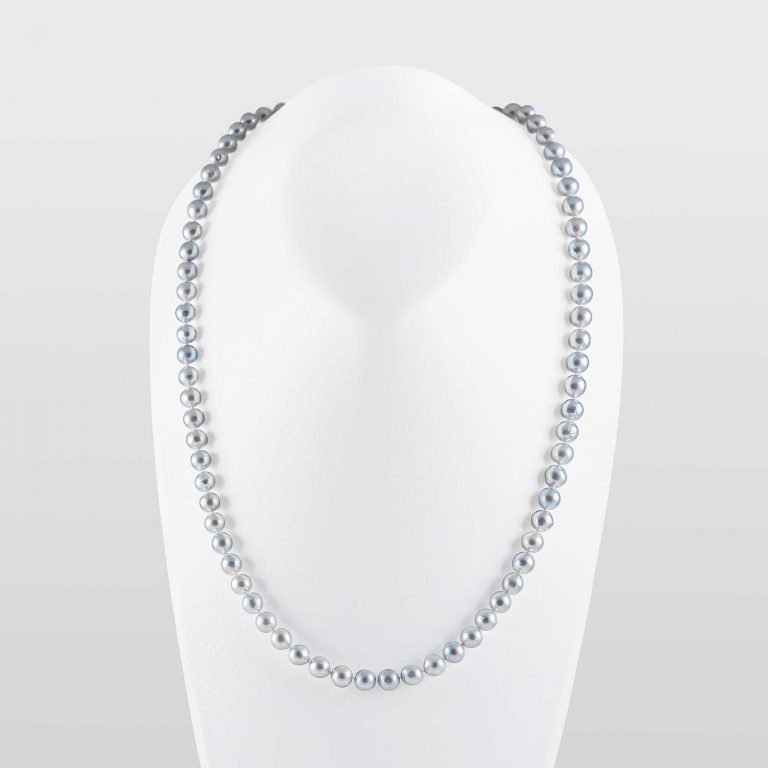
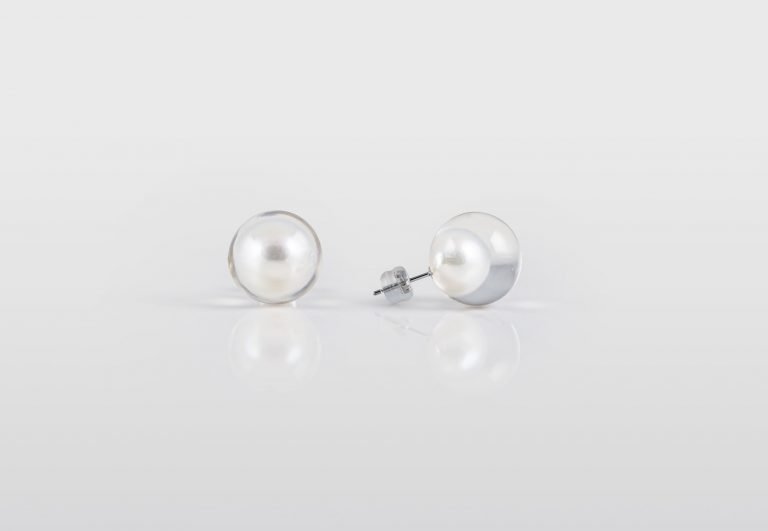
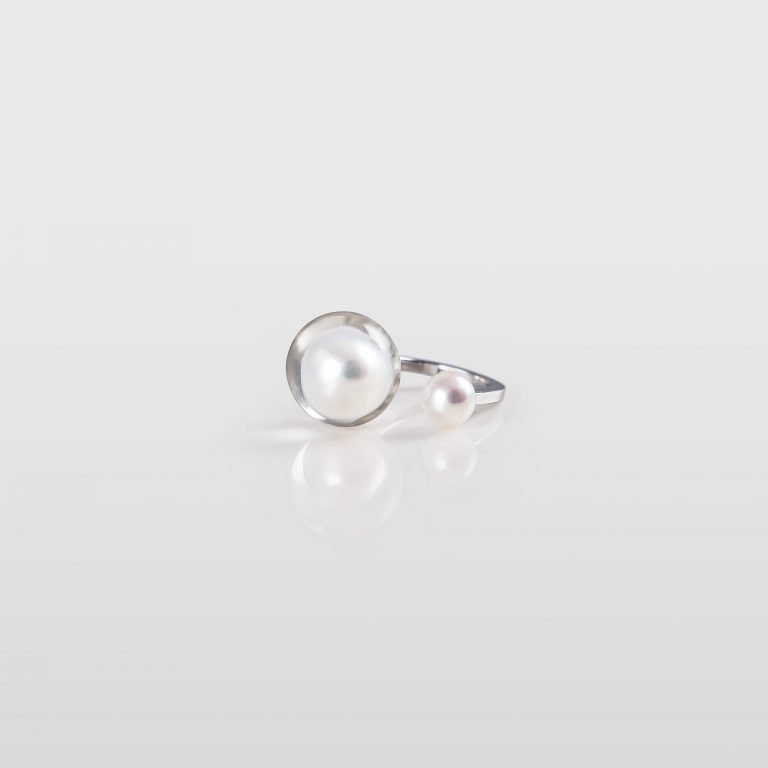
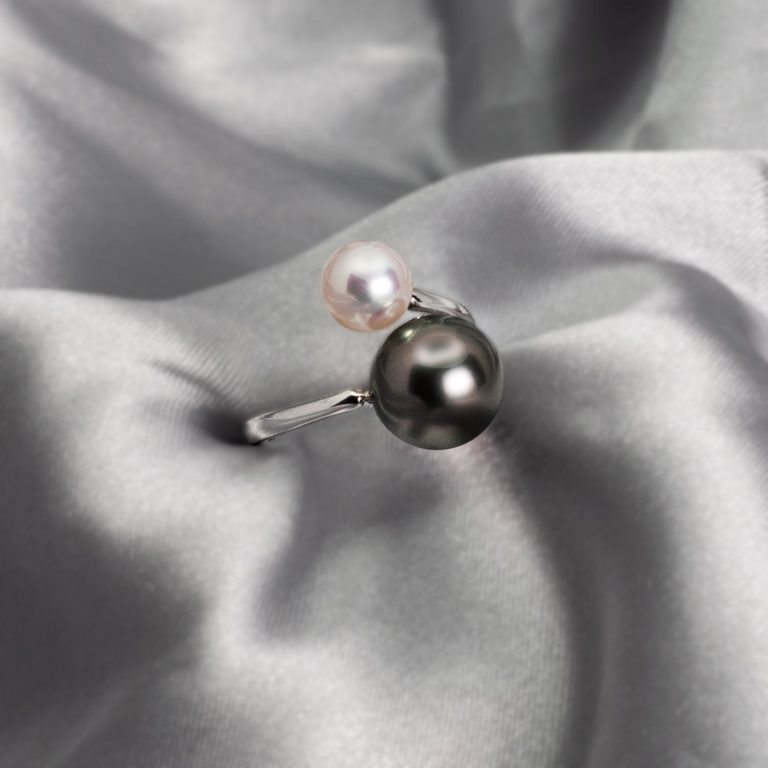
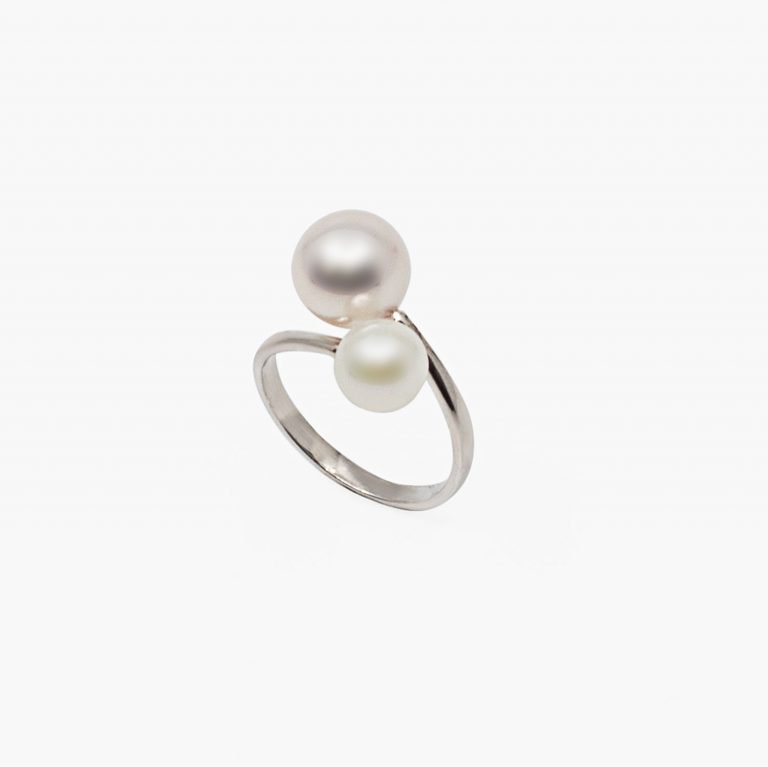
Pearl Collection

Japanese Akoya Pearls 2026 · Tokyo Wholesaler Since 1969

2026 Selection

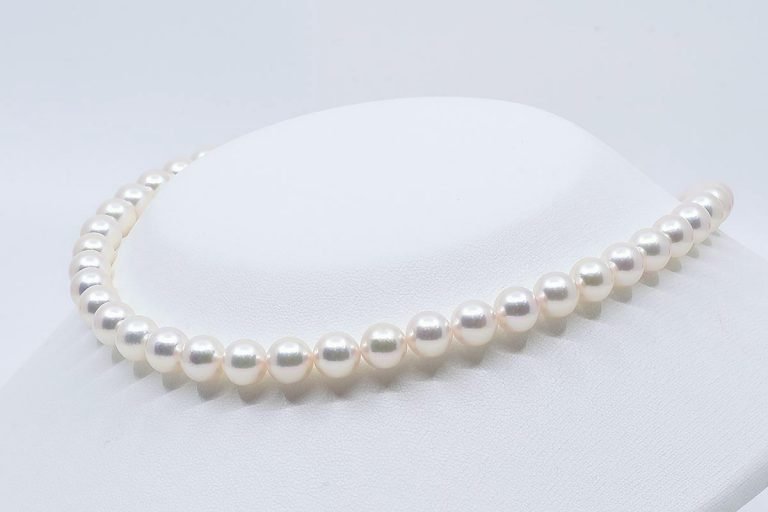
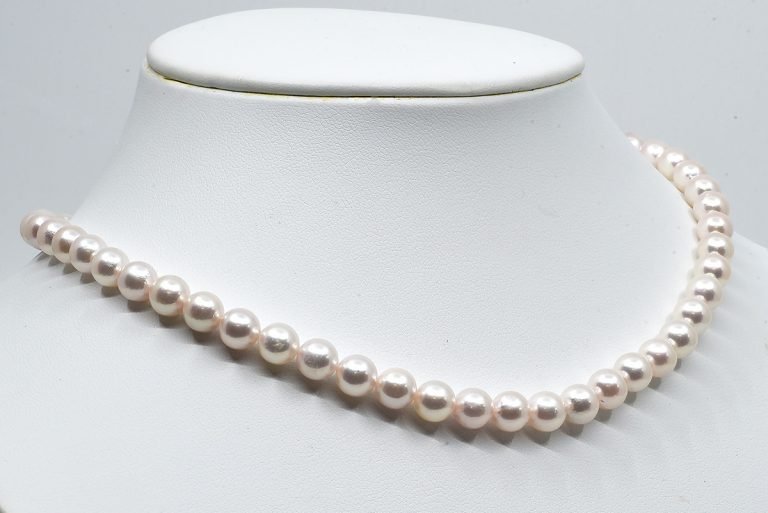
Japanese Akoya pearls are the cultured pearls grown in Pinctada fucata oysters in Japan's cold coastal waters and the only pearls correctly called "Japanese." Below, our complete 2026 Akoya collection, sourced directly through wholesale relationships we've kept since 1969. Selected and strung in our Tokyo showroom.

68 products

How to judge an Akoya pearl in 2026

Most online listings advertise pearls with a single grade — A, AA, AAA. That grade refers to one thing only: shine. The other quality axes — surface, shape, shade, size — are independent. Understanding all five lets you see what's really in front of you.

Shine (lustre). Akoya's defining feature. The thick nacre of a Pinctada fucata oyster reflects light like a mirror — sharp, near-metallic. If the surface looks soft or chalky, the nacre is thin and the pearl will reflect the light as well.

Surface. Akoya pearls grow with imperfections; the question is how few and how visible. We grade in five tiers — smooth to lightly blemished, and price differs accordingly. We try to avoid "shark skin" or "orange peel" rejects as graded pearls.

Shape. Round Akoya is rare. True roundness commands the highest prices. Off-round and baroque shapes are not lower quality — they're a different choice, often as interesting for design-led pieces.

Shade. Body color (white, cream, silver-blue) and overtone (rose, silver, blue) are separate. Rose overtone on white body is the classical Japanese ideal; silver-blue body with rose overtone is the rare and prized profile as white-silver-pink.

Size. Akoya runs 3mm to 10mm. Most necklaces use 7.0-7.5mm or 8.0-8.5mm. Each 0.5mm step is meaningful: a 9mm strand is a different pearl entirely from a 7mm strand at the same grade.

These factors are independent. A small flawless round in classical rose overtone is more valuable than a large off-round with surface marks at the same lustre grade. The grade letter does not tell you which one you're looking at.

Frequently asked questions

What size Akoya pearl should I choose?

For everyday wear, 7.0-7.5mm strands suit most necklines and lapel lines without dominating. 8.0-8.5mm is the classic Japanese gift size: substantial, but not flashy. Above 9mm reads as statement jewelry. The "right" size depends on the wearer's frame and how often the piece will be worn, not on a universal rule.

Why do Akoya pearl prices vary so much for the same size?

Five quality axes vary independently: shine, surface, shape, shade, size. A 7.5mm strand can run from ¥80,000 to over ¥500,000 depending on lustre (mirror-sharp or soft), surface (flawless or marked), shape (round or off-round) and shade (classical rose overtone or muted). Asking for a "7.5mm Akoya necklace" without specifying the rest is like asking for "a watch" without specifying the movement.

Are your Akoya pearls certified?

We provide Pearl Science Laboratory (PSL) Hanadama certificates on request for qualifying strands. Hanadama is a specific high-grade Akoya designation, not a general quality grade. For non-Hanadama strands, we provide an Pearls.jp by AMIT Trading provenance certificate. Our trained staff personally grade and select every piece we ship.

Can you ship to my country?

Yes — we ship Akoya pearls worldwide. The US, EU, UK, CA Australia and SG are our most common destinations. Shipping is fully insured and tracked. Tokyo tax-free pricing is available to international customers.

What's your returns policy?

Unworn pearls in original condition are returnable within 30 days of receipt. We don't return strung custom pieces or items modified to your specification. For peace of mind on a major purchase, we recommend visiting our Roppongi showroom, we'll show you alternatives side-by-side under daylight conditions.

What makes a pearl actually "Japanese"?

Only Akoya pearls grown in Pinctada fucata oysters in Japan are truly Japanese pearls. South Sea pearls (Australia, Indonesia, Philippines), Tahitian pearls (French Polynesia) and freshwater pearls (China, mostly) are often processed and composed in Japan. A genuine Japanese Akoya is the only pearl correctly described as Japanese.